
The Benefits of Embracing Slow Movements and Fluid Flow in Yang Style Tai Chi
Updated: Sep 14
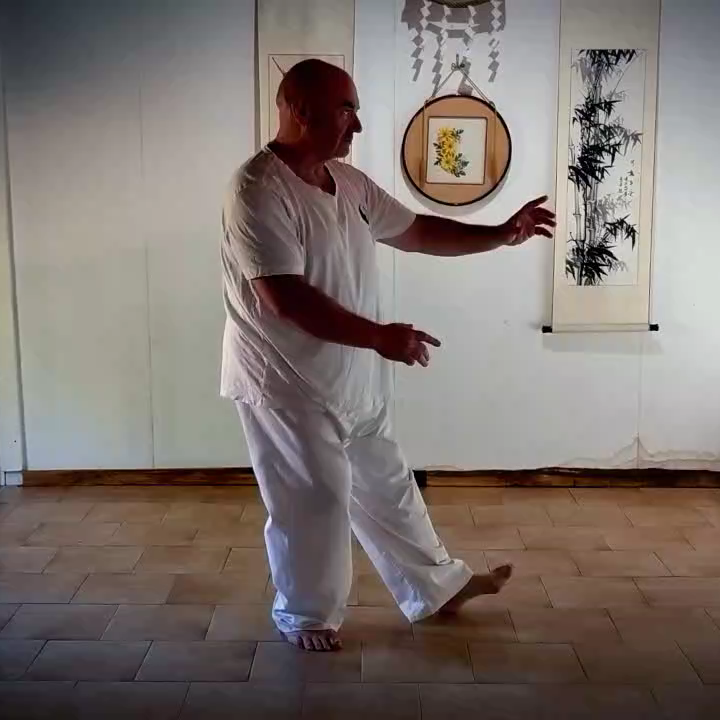
Yang style Tai Chi is known for its graceful, slow movements that seem to float effortlessly through space. The phrase "slow is good, flow is better" captures a core principle of this martial art. Moving slowly allows practitioners to develop control and awareness, but it is the smooth, continuous flow between movements that unlocks deeper benefits. This post explores why embracing both slow pace and fluid flow enhances the practice of Yang style Tai Chi and how it supports physical, mental, and energetic well-being.

Why Slow Movements Matter in Yang Style Tai Chi
Yang style Tai Chi emphasizes slow, deliberate movements for several reasons:
Improved body awareness: Moving slowly helps you notice subtle shifts in balance, posture, and muscle engagement. This awareness is essential for refining technique and preventing injury.
Enhanced relaxation: Slow pace encourages the release of tension. When you rush, muscles tighten, but slow movement invites calm and ease.
Better breath control: Coordinating breath with slow movements deepens lung capacity and promotes relaxation.
Mindfulness and focus: Slow practice cultivates concentration, helping you stay present and connected to each motion.
For example, when performing the "Grasp the Bird's Tail" sequence, moving slowly allows you to feel the weight transfer from one leg to the other and the subtle rotation of the waist. This attention to detail builds a strong foundation for more advanced techniques.
The Power of Flow in Tai Chi Practice
While slow movement is important, the flow between postures is what truly defines Yang style Tai Chi. Flow means moving continuously without hesitation or stiffness, like water moving around rocks in a stream.
Flow offers several benefits:
Energy circulation: Smooth transitions help energy move freely through the body, supporting health and vitality.
Balance and coordination: Flowing movements challenge your balance in a controlled way, improving stability and coordination.
Martial effectiveness: In combat applications, fluidity allows quick adaptation and seamless defense or attack.
Mental clarity: Flowing through forms creates a meditative state, reducing stress and enhancing mental clarity.
For instance, when transitioning from "Single Whip" to "Wave Hands Like Clouds," the continuous, flowing motion keeps your body aligned and your mind focused. Interruptions or jerky movements break this flow and reduce the benefits.
How to Cultivate Both Slow and Flowing Movements
Achieving the balance between slow and flowing requires practice and attention. Here are practical tips:
Start with slow, deliberate practice: Focus on mastering each posture with correct alignment and balance.
Link movements gradually: Once comfortable with individual postures, practice moving between them smoothly.
Use breath as a guide: Let your breath lead your movements, maintaining a steady rhythm.
Relax muscles: Avoid tension that disrupts flow. Imagine your body as soft and flexible.
Practice regularly: Consistency builds muscle memory and improves both slowness and flow.
Instructors often recommend practicing forms in sections, slowly linking each part until the entire sequence flows naturally. This method helps prevent rushing and encourages mindful movement.
Physical and Mental Benefits of Slow and Flowing Tai Chi
Combining slow pace with fluid flow enhances Tai Chi’s health benefits:
Improved joint mobility: Slow, flowing movements gently stretch and lubricate joints.
Increased muscle strength and endurance: Holding postures and moving smoothly builds strength without strain.
Better posture and alignment: Awareness developed through slow practice corrects imbalances.
Stress reduction: The meditative flow calms the nervous system and lowers cortisol levels.
Enhanced focus and mental resilience: Mindful movement trains attention and emotional balance.
Research supports these benefits. A 2019 study published in the Journal of Aging and Physical Activity found that Yang style Tai Chi improved balance and reduced fall risk in older adults, largely due to its slow, flowing movements.
Integrating Slow and Flow in Daily Practice
To make the most of Yang style Tai Chi, integrate slow and flowing principles into your routine:
Begin each session with slow warm-up exercises to tune into your body.
Practice forms at a pace that challenges your control but feels natural.
Focus on seamless transitions, avoiding pauses or stiffness.
Reflect on your breath and posture throughout practice.
Use Tai Chi as a moving meditation to cultivate calm and presence.
By embracing both slow and flow, your Tai Chi practice becomes a powerful tool for health, and inner peace.

Comments